Flood damage can overwhelm a property fast. Whether it comes from monsoon storms, flash flooding, a major plumbing failure, or a sewer backup, water does not stay in one place. It moves through flooring, into drywall, behind cabinets, and into structural materials you cannot see.
Flood restoration is the process of removing water, drying the structure, cleaning affected areas, and restoring the property back to a safe, stable condition. In Phoenix and across Arizona, fast response matters because flood damage can continue spreading long after the visible water is gone.
What Is Flood Restoration?
Flood restoration is the full process of:
- Removing standing water
- Drying saturated materials
- Cleaning and sanitizing affected areas
- Repairing and rebuilding damaged parts of the property
This is more involved than cleaning up a small leak. Flood damage often affects multiple materials at once and may involve contaminated water, hidden moisture, damaged contents, and structural concerns.
What Causes Flood Damage?
Flood damage can happen for several reasons, including:
- Monsoon storms and heavy rainfall
- Flash flooding around the property
- Roof leaks that allow water into ceilings and walls
- Burst pipes or failed plumbing lines
- Sewage backups and drain overflows
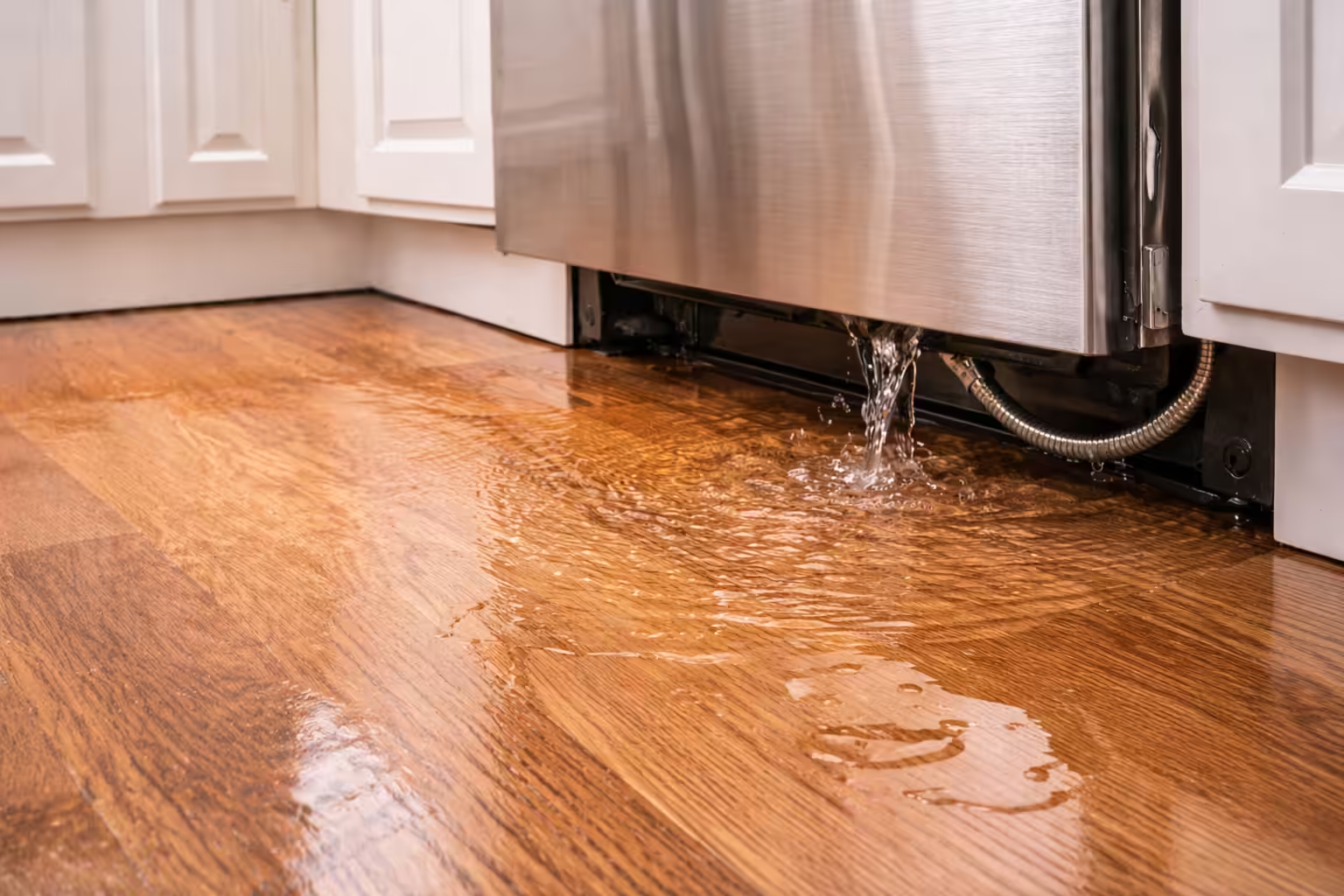
- Appliance failures involving dishwashers, washing machines, or water heaters
In Arizona, this is especially relevant during storm season, but indoor flooding can happen any time of year when plumbing or appliances fail.
Why Flood Damage Is More Serious Than a Minor Leak
Flood damage is different from a smaller water issue because it usually involves more water, more saturation, and more risk.
A flood can:
- Spread across multiple rooms
- Soak drywall, insulation, flooring, and cabinets
- Damage electrical areas
- Affect personal belongings and contents
- Create contamination concerns if the water is not clean
Need flood restoration in Phoenix?
Get fast help with extraction, drying, cleanup, and repairs. Get Help NowCall Now 480-405-5596
The Flood Restoration Process
1. Inspection and Damage Assessment
The first step is understanding how far the water has spread and what has been affected.
This includes:
- Checking visible damage
- Identifying hidden moisture
- Assessing floors, walls, ceilings, and contents
- Determining whether the water is clean, gray, or contaminated
- Documenting the damage for next steps and insurance
2. Water Removal and Extraction
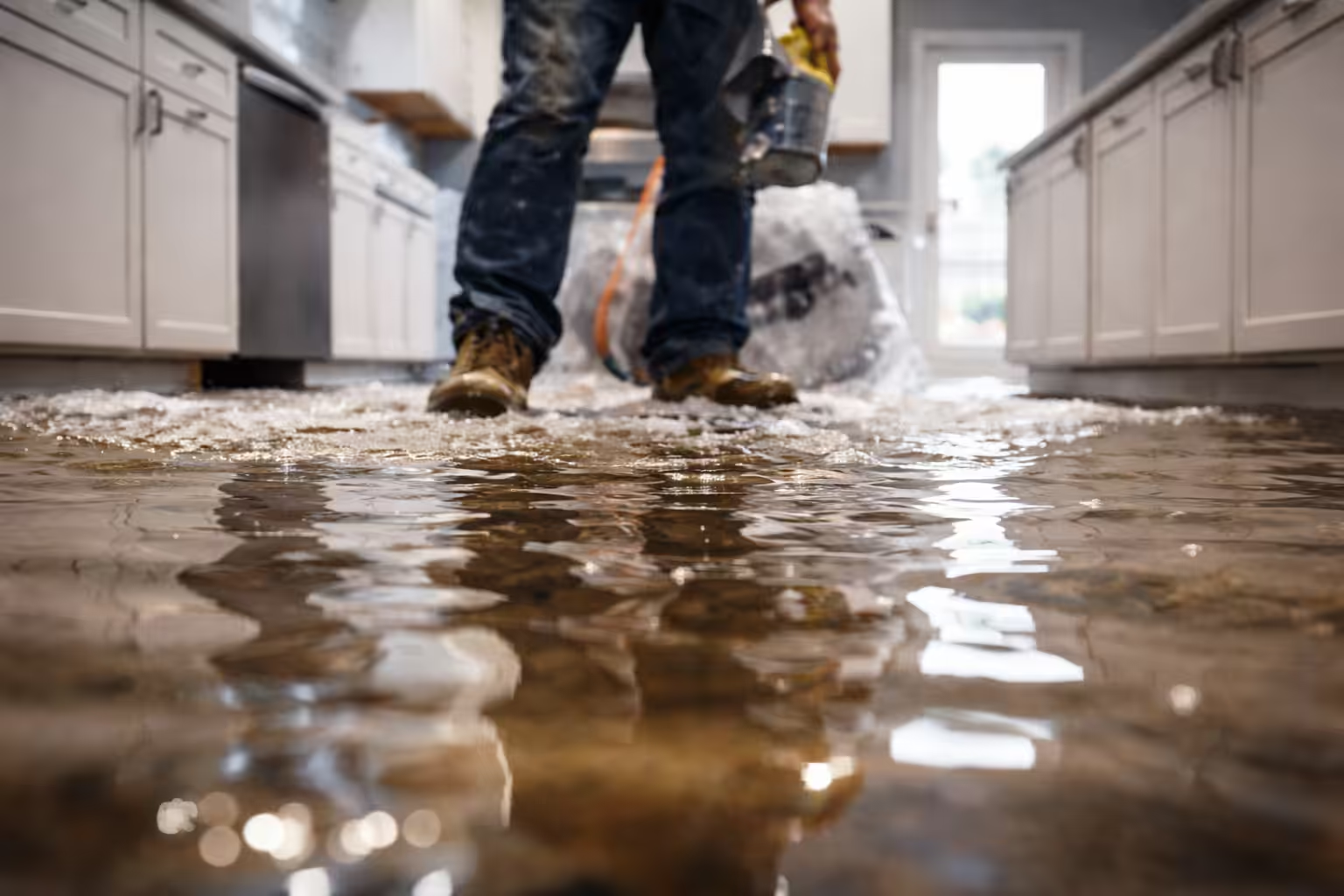
Standing water needs to be removed as quickly as possible.
This stage may involve:
- Truck-mounted extraction
- Pumps
- Specialty vacuums
- Targeted removal from flooring and other saturated materials
The goal is to stop the spread and reduce the amount of water remaining inside the structure.
3. Drying and Dehumidification
Even after extraction, moisture is still left behind inside materials.
Drying focuses on:
- Pulling moisture from walls, floors, and framing
- Lowering indoor humidity
- Preventing water from continuing to migrate
- Creating conditions where repairs can begin safely
4. Cleaning and Sanitizing
Flood restoration also includes cleaning the affected space.
Depending on the source of the water, this may involve:
- Disinfecting surfaces
- Deodorizing affected areas
- Removing debris and residue
- Cleaning salvageable contents
- Disposing of materials that cannot be safely restored
This becomes even more important when the flood involves sewage, storm runoff, or other contaminated water.
5. Repairs and Restoration
Once the structure is dry and safe, repairs begin.
This can include:
- Replacing drywall and insulation
- Repairing or replacing flooring
- Repainting damaged surfaces
- Restoring cabinets and trim
- Rebuilding affected areas
What to Do Immediately After Flooding
If your home or business has flooded, the first steps matter:
- Make sure it is safe to enter
- Shut off power if water is near electrical hazards
- Stop the source if it is an internal plumbing issue
- Document visible damage
- Avoid contact with contaminated water
- Move contents only if it is safe
- Begin extraction and drying as quickly as possible
Floodwater can continue soaking into structural materials and contents even after the initial event is over.
Signs Flood Damage Has Spread Further Than You Think
Not all flood damage stays obvious. Watch for:
- Warped flooring
- Soft drywall
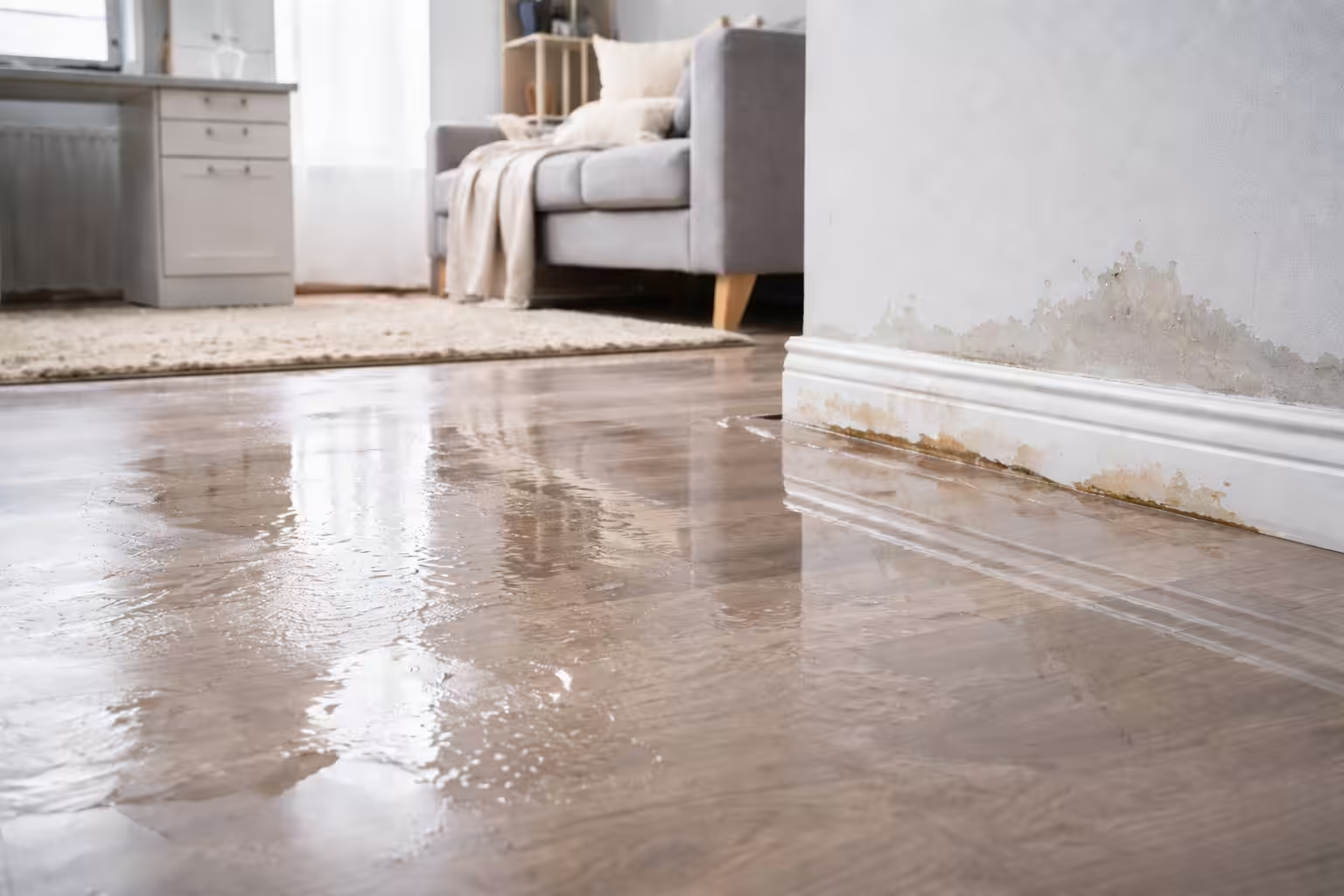
- Swelling around baseboards or cabinets
- Ceiling stains
- Damp insulation
- Musty odors
- Bubbling paint
- Humidity that lingers indoors
These signs often mean moisture has moved beyond the visible wet area.
How Long Does Flood Restoration Take?
Flood restoration timelines depend on how much water entered the property, how long it sat, what materials were affected, and whether the water was clean or contaminated. In many cases, water extraction begins right away, while the drying process takes several days. If flooring, drywall, insulation, or other structural materials have to be removed and rebuilt, the full restoration timeline can extend beyond the initial drying phase.
A smaller flood with limited spread may move faster, while a more severe loss involving multiple rooms or deeper saturation will take longer. The most important factor is how quickly the restoration process begins. Fast response can reduce how far the water spreads and help limit the overall repair timeline.
Can Flood-Damaged Materials Be Saved?
Some flood-damaged materials can be saved, but others need to be removed. Hard surfaces and some structural materials may be restorable if they are dried quickly. Materials like saturated drywall, insulation, carpet padding, and contaminated porous materials are more likely to need replacement.
Do Not Let Flood Damage Get Worse
Flood damage can spread quickly and become more expensive to repair the longer it is left untreated.
At National First Response, we are ready 24/7 to respond to flood damage in Phoenix and throughout Arizona. We handle extraction, drying, cleanup, and repairs so you can protect your property and start the restoration process immediately. Call now or request service to get help fast.
FAQs About Flood Restoration
They overlap, but flood restoration usually implies heavier water intrusion, wider spread, and sometimes contamination. A minor leak and a flooded home do not require the same level of cleanup or repair. Yes, it often does. Extraction and drying are only part of the process. Many flood restoration jobs also involve replacing drywall, repairing floors, repainting, and rebuilding damaged areas. Sometimes, but it depends on the size of the affected area, the source of the water, and whether contamination, demolition, or major drying equipment is involved. In larger losses, temporary relocation may make more sense. Flood damage is considered more dangerous when the water may be contaminated, when electrical risks are present, or when water has spread into ceilings, walls, and structural areas. Sewage backups and storm-related flooding are especially serious. Coverage depends on the source of the water and the specific policy. Some sudden internal water losses may be covered, while flood-related events may be treated differently. This is one reason insurance documentation and clear damage assessment matter early in the process. Signs can include warped flooring, swollen baseboards, staining, musty odors, soft drywall, or humidity that lingers after visible water is gone. Professional moisture detection helps confirm how far the damage spread.
Dealing with damage right now?
Get certified help onsite within the hour.
Call National First Response 24/7: we stop the damage, document everything, and bill your insurance directly.